Emergency stain removal service Ilford common problems
Posted on 13/06/2026
Spills never seem to happen at a convenient time, do they? One minute the carpet is fine, the next you've got red wine on a cream rug, muddy footprints by the hallway, or coffee sinking into the pile like it means business. That's where an emergency stain removal service Ilford common problems really matters: quick response, the right treatment, and fewer chances of a stain turning into a permanent mark.
In Ilford, where busy homes, rentals, offices, and weekend gatherings all collide, stain accidents are just part of real life. This guide breaks down the most common problems people run into, what emergency technicians actually do, why some stains are harder than they look, and how to avoid making things worse while waiting for help. You'll also find practical steps, a comparison table, and a sensible checklist you can use in the moment.

Contents
- Why emergency stain removal matters
- How the service works
- Key benefits and practical advantages
- Who this is for and when it makes sense
- Step-by-step guidance
- Expert tips for better results
- Common mistakes to avoid
- Tools, resources and recommendations
- Law, compliance, standards, or best practice
- Options, methods, and comparison table
- Case study or real-world example
- Practical checklist
- Conclusion
- Frequently asked questions
Why Emergency stain removal service Ilford common problems Matters
The biggest reason emergency stain removal matters is simple: time. The longer a stain sits, the more it bonds with fibres, backing, underlay, and even subfloor materials. That's true for carpets, rugs, upholstery, and some hard floor fabrics. A quick blot can help, but a rushed DIY fix can also push the stain deeper, spread it wider, or set it in with heat.
In practical terms, Ilford homes and businesses often deal with the same handful of issues: drinks spill at parties, pet accidents happen after a wet walk, and office chair marks can hide a slow drip that nobody notices until later. It sounds small at first. Then you look again the next morning and, well, it's suddenly not so small.
This is why the service is valuable for more than just appearance. It can help protect the life of carpet fibres, reduce odour build-up, prevent discolouration, and avoid the kind of damage that leads to full replacement. For landlords, it can also help with move-out presentation. For commuters and families, it can restore a room before the mess becomes the story everyone remembers.
Expert summary: emergency stain removal is not just about "cleaning up a spill." It's about controlling chemical reactions, moisture, fibre damage, and timing before a stain becomes embedded.
There's also a trust angle here. If someone offers a rapid response but treats every stain the same way, that's a red flag. Real stain removal is part science, part judgement. A good technician should ask what caused the stain, what material is affected, how long it has been there, and what has already been tried.
If you want a broader sense of the company's service range, the services overview is a useful place to start. And if the stain is part of a bigger clean-up after guests, children, or end-of-tenancy activity, you may also find one-off cleaning in Ilford relevant alongside emergency treatment.
How Emergency stain removal service Ilford common problems Works
Emergency stain removal usually follows a fairly calm, methodical process, even when the situation feels messy and urgent. The goal is to identify the stain correctly before anything touches the fibres. That part matters more than people think.
Here's how it often works in real life:
- Initial assessment - The cleaner asks about the stain type, the surface, and the time since the spill.
- Risk check - They look for dyes, delicate fibres, moisture spread, bleaching risk, and any previous DIY treatment.
- Pre-test - A small hidden area may be checked to confirm the cleaning method won't damage colour or texture.
- Targeted treatment - The right product or method is applied, often starting gently and increasing only if needed.
- Extraction or lifting - The stain is blotted, lifted, rinsed, or extracted depending on the material.
- Drying and aftercare - The area is dried properly and the customer is told what to avoid next.
That may sound straightforward. In reality, the difficult part is knowing what not to do. A protein stain like milk or blood behaves differently from tannin-based stains like tea or wine, and oil-based marks behave differently again. Use the wrong solution and you can lock in the problem.
Technicians who handle emergency jobs in Ilford often have to make decisions quickly in homes near the High Road, in shared properties, or in busy family houses where the room still needs to be used the same day. Sometimes a stain is on a rug that can be moved. Sometimes it's on fitted carpet in a narrow hallway, and the entire traffic pattern of the house is now marching straight through it. Charming, really.
For carpet-specific issues, you may also want to compare the approach with carpet cleaning in Ilford, especially where the stain is part of broader wear, rather than a single incident. If upholstery is involved, upholstery cleaning in Ilford can be a better fit than treating the item like a floor covering.
Key Benefits and Practical Advantages
The biggest benefit is obvious: a better chance of saving the fabric. But there's more to it than that. Emergency stain treatment can reduce spread, limit odour, and cut down on the visible reminder of a spill before it becomes embarrassing or expensive.
- Fast damage control: stains are tackled before they settle deeper.
- Better colour preservation: targeted methods reduce the risk of bleaching or fading.
- Less lingering smell: especially helpful for food, drink, pet, or organic stains.
- Lower replacement risk: acting early can save a rug or carpet from being written off.
- Less stress: you do not have to guess your way through a problem at 9pm.
- More reliable results: the process is tailored to the stain rather than one-size-fits-all.
There is also a practical property benefit. For renters, presenting a clean carpet or sofa matters more than people like to admit. For landlords and letting agents, emergency stain removal may help avoid complaints over handover conditions. For office managers, it keeps reception areas looking professional without shutting everything down for a full deep clean.
And sometimes the benefit is simply peace of mind. You look at a carpet after an accident and think, that's it, it's ruined. But often it isn't. Not if it's treated properly and soon enough.
If the issue has spread across a room or is part of a larger seasonal reset, a more comprehensive clean such as deep cleaning in Ilford or spring cleaning in Ilford may be worth considering after the emergency has been contained.
Who This Is For and When It Makes Sense
This kind of service is useful for a surprisingly wide range of people. The obvious cases are drink spills and pet accidents, but emergency stain removal is also relevant after celebrations, busy family weekends, office incidents, and end-of-tenancy pressure.
- Homeowners: for sudden carpet, rug, or sofa stains that need fast action.
- Renters: to protect deposits and reduce the chance of damage disputes.
- Landlords and letting agents: to address stains before viewings or handovers.
- Offices: for reception carpets, meeting rooms, and shared break areas.
- Families with children: because spills happen, and they happen fast.
- Pet owners: especially where urine, mud, or wet-dog marks are involved.
It makes sense when the stain is fresh, unknown, or potentially reactive. It also makes sense when you have already tried a home remedy and the mark looks worse. That second bit happens more often than people admit. No judgement, though. Everyone has done the "dab with kitchen roll and hope for the best" routine at least once.
For properties in and around Ilford where occupancy changes often, emergency stain removal can be especially handy before a tenancy check, after a party, or just before guests arrive. If the issue is tied to moving out, end of tenancy cleaning in Ilford may be the broader service you need around the stain treatment itself.
It can also be part of a more routine cleaning plan. If you are weighing an urgent response against everyday upkeep, browsing domestic cleaning in Ilford or house cleaning in Ilford can help you understand how emergency help fits into regular maintenance.
Step-by-Step Guidance
If you're dealing with a spill right now, the main job is to minimise harm before the professional arrives. Don't panic. Do the simple things well.
- Blot, don't rub. Use a clean white cloth or paper towel and press gently. Rubbing frays fibres and pushes liquid deeper.
- Remove solids carefully. If there's food or debris, lift it away without grinding it in.
- Keep heat away. Hairdryers and hot water can set some stains. Not ideal.
- Avoid random chemicals. Bleach, vinegar, washing-up liquid, and stain sprays can react badly depending on the material.
- Note what caused the stain. Coffee, red wine, ink, oil, mud, pet urine, and makeup all need different approaches.
- Ventilate the area. Open a window if possible and keep foot traffic away.
- Take a quick photo. That can help if the stain spreads or needs explaining later.
- Book help early. The sooner a technician can assess it, the better the odds.
For a particularly stubborn carpet mark, the technician may ask for details about fibre type, previous treatments, and whether the stain has been stepped on. Yes, stepped on matters. A lot. A fresh spill can be lifted in ways a flattened, ground-in patch simply cannot.
If the stain is on a rug and you're near a busy station route, you might appreciate the logic behind same-day rug cleaning for Ilford Station commuters. Timing matters when your day is already packed and the rug is the last thing you need to worry about.
A small aside: the best stain recoveries often happen because people leave the area alone after blotting. That's it. No extra soaking, no panic scrubbing, no experimental chemistry lesson in the hallway.
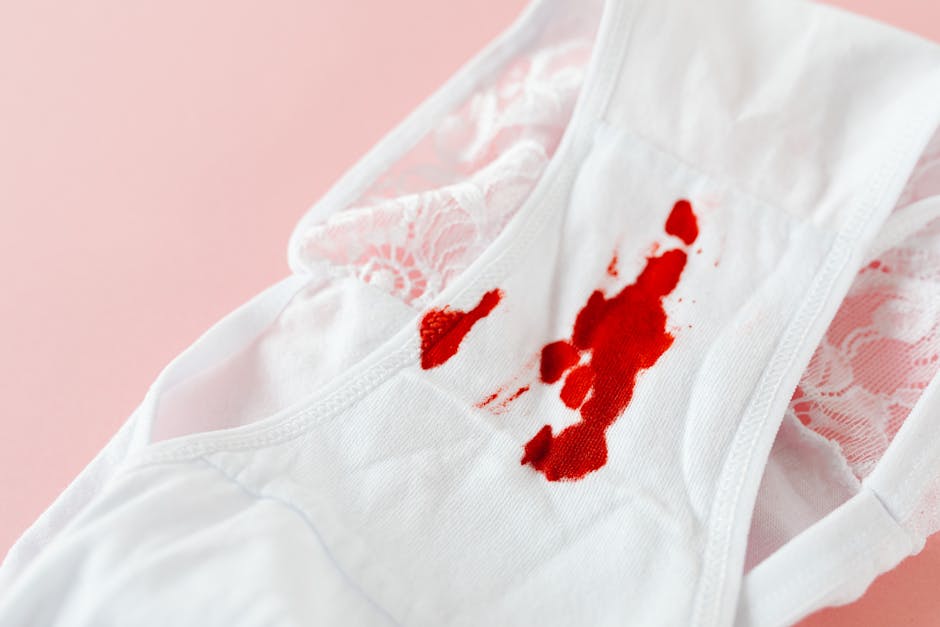
Expert Tips for Better Results
There are a few habits that make a big difference. Not flashy, just sensible. The sort of advice that seems boring until you need it.
- Act quickly but calmly: speed helps, panic doesn't.
- Use white cloths: coloured towels can transfer dye.
- Work from the edge inward: this reduces spread.
- Test first on delicate fabrics: especially wool, silk, or older upholstery.
- Keep pets and children away: wet cleaning areas attract attention, somehow.
- Don't overwet the spot: excess water can cause wicking, where the stain reappears as it dries.
- Tell the technician the truth: if you used a product already, say so.
One of the most useful tips is also the least glamorous: keep a note of what happened and when. If you are dealing with a delicate fibre, the difference between "10 minutes ago" and "last night" can change the method completely. That's not exaggeration. That's the reality of stain chemistry.
Another good practice is to match the service to the surface. A sofa arm, a hallway runner, and an office chair cushion all behave differently. If the mark is on fabric furniture rather than flooring, it helps to check upholstery cleaning in Ilford as part of the decision.
For customers comparing providers, it's also sensible to look at safety, insurance, and process. A trustworthy cleaning business should be clear about what it can do, what it cannot promise, and how it handles more sensitive jobs. If that kind of clarity matters to you, insurance and safety is worth a read.
Common Mistakes to Avoid
Most stain disasters become worse because of understandable but unhelpful reactions. The spill is annoying, so people reach for the nearest solution. That's human. It's also how stains travel.
- Rubbing hard: this pushes the spill down and roughs up the pile.
- Using bleach too soon: it can strip colour and leave a pale patch.
- Applying too much water: this spreads the stain and lengthens drying time.
- Mixing products: some household cleaners react with each other.
- Waiting until tomorrow: tomorrow often means more set, more stubborn, more costly.
- Skipping a spot test: this is risky on wool, dyed fibres, and upholstery.
Another mistake is assuming every stain is visible in the same way. Some marks fade as they dry, only to reappear later through a process called wicking. Others look like they've disappeared but have actually left residue that attracts dirt. So the problem comes back, just with better timing. Very considerate of it.
It also helps not to ignore odour. A stain can look mild but smell stronger over the next few hours, especially if it is organic or moisture-rich. If the room still feels damp the next morning, that's often a clue the treatment was too wet or not extracted properly.
Tools, Resources and Recommendations
You do not need a cupboard full of miracle products. In many emergency situations, the best tools are basic and clean:
- white absorbent cloths or paper towels
- a spoon or blunt edge for lifting solids
- cold or lukewarm water, used sparingly
- a fan or open window for airflow
- gloves if the spill is unpleasant or unknown
- a small notepad or phone photo for recording the stain type
If you are choosing a professional service, look for clear communication, realistic expectations, and a method that changes depending on the material. You want someone who asks proper questions, not someone who starts spraying first and thinking later. That order matters.
For customers wanting broader support beyond one incident, the site's pricing and quotes information can help set expectations, while request a quote is the sensible next step if you want an accurate response for a specific stain type.
If you'd rather speak to someone directly about what happened, the contact page is there for quick enquiries. And if you're still comparing the wider company background, about us can help with that decision-making side of things.
Law, Compliance, Standards, or Best Practice
For emergency stain removal, the main compliance concerns are usually safety, product handling, and reasonable care for property. In the UK, you would normally expect a cleaning business to work in line with sensible health and safety practice, to use suitable products for the surface, and to avoid unnecessary risk to occupants, pets, or fabrics.
There isn't one single stain-removal law that covers every household spill. But good practice does matter. That includes clear communication about limitations, honest advice when damage is permanent, and careful handling of chemicals and equipment. If a cleaner is treating a client's carpet, rug, or upholstery, they should also be mindful of fabric care labels and the material's tolerance for moisture and agitation.
If the work is being done in a rented property or business premises, property handover, tenancy condition, and workplace care standards may also shape expectations. Nothing dramatic there, just common sense and proper record keeping. If a stain was treated but not fully removed, that should be explained clearly rather than dressed up as a miracle.
For peace of mind, it helps to choose a provider that sets out its safety approach and complaint process in plain English. Those details may feel unexciting, but they are often the difference between confidence and crossed fingers. The site's health and safety policy and complaints procedure are relevant here, especially if you want to understand how the business handles quality concerns.
Options, Methods, or Comparison Table
Different stains need different responses. Here's a simple comparison to show how professional thinking differs from the usual grab-a-cleaner-and-hope approach.
| Stain type | Common risk | Better approach | What to avoid |
|---|---|---|---|
| Wine or juice | Dye sets quickly and spreads fast | Blot, assess fibre, use targeted stain lift | Rubbing or using heat |
| Coffee or tea | Tannin staining and browning | Controlled cleaning with rinsing and extraction | Overwetting the area |
| Pet urine | Odour, bacteria, wicking, and deep penetration | Enzymatic or specialist treatment where suitable | Masking smell with perfume sprays |
| Ink | Rapid spread into fibres | Precise spot treatment after testing | Scrubbing or soaking |
| Grease or oil | Attracts dirt and holds in pile | Careful solvent-aware treatment | Water-only cleaning |
In many cases, the best option is not the most aggressive one. It is the most suitable one. That sounds obvious, but plenty of stain damage happens because people think "more cleaning" automatically means "better cleaning." Not always.
If you're comparing specialist help with broader property maintenance, the page on carpet cleaning in Ilford offers a useful context for routine care, while best carpet cleaning near Ilford High Road IG1 can help readers thinking locally about their options.
Case Study or Real-World Example
Here's a realistic example from the kind of situation that turns up a lot. A family in Ilford has guests over on a Saturday evening. Someone knocks over a dark drink onto a pale rug near the living room sofa. There's a brief scramble, a lot of awkward laughter, and then the classic question: "Will it come out?"
The first response is blotting. Good. The second response is to add more liquid and rub harder. Less good. By the time the rug is left to dry overnight, the centre of the stain looks lighter, but the edges have spread. The family now has a larger patch, a faint odour, and a bit of panic.
When a specialist arrives, they identify the drink type, test a small area, and use a controlled method to lift the remaining colour without saturating the rug. The visible stain reduces, the odour drops, and the rug remains usable. Not every job ends perfectly, to be fair, but this is the sort of outcome that often turns a potential replacement into a recovery.
That same pattern shows up with party homes, commuter flats, and family properties near busy routes. A stain that looks like a disaster at 10pm can often be managed much better at 10pm than at 10am the next day. It's a small window, but a real one.
For readers interested in the local context around homes and lifestyle in the area, there are also useful background pieces like why Ilford might be a good place to live and delve into the delights of Ilford London, which help show the everyday setting these services are used in.
Practical Checklist
Use this checklist if a spill happens and you need to act fast.
- Stop the spread: keep people and pets away from the area.
- Blot gently: press, don't scrub.
- Do not heat it: no hairdryer, no hot iron, no impatience.
- Note the material: carpet, rug, sofa, chair, cushion, or curtain.
- Remember the stain source: food, drink, grease, pet accident, ink, makeup, or mud.
- Avoid random products: especially bleach and mixed cleaners.
- Take a photo: useful for tracking spread and giving details.
- Open a window: airflow helps with drying and smell control.
- Arrange professional help: sooner is usually better.
- Keep the area dry afterwards: avoid stepping on it while damp.
That's the bare minimum, really. If you can do those things well, you've already improved the odds quite a lot.
Get a free quote today and see how much you can save.
Conclusion
Emergency stain removal in Ilford is about more than rescuing a mark on a carpet. It is about timing, judgement, and knowing when a spill needs a measured response rather than a DIY guess. The common problems are familiar: dyes, odours, over-wetting, rubbing, and the simple fact that life gets busy before the stain is fully sorted.
Handled well, many stains can be reduced dramatically, and sometimes saved altogether. Handled badly, they spread, set, or leave behind a patch that keeps reminding you it's there. That's the difference. Quiet, practical, and very real.
If you are dealing with a fresh spill, the best move is to stay calm, blot gently, and get advice early. A little care now can save a lot of hassle later. And honestly, that small moment of relief when the mark lifts? Worth it.