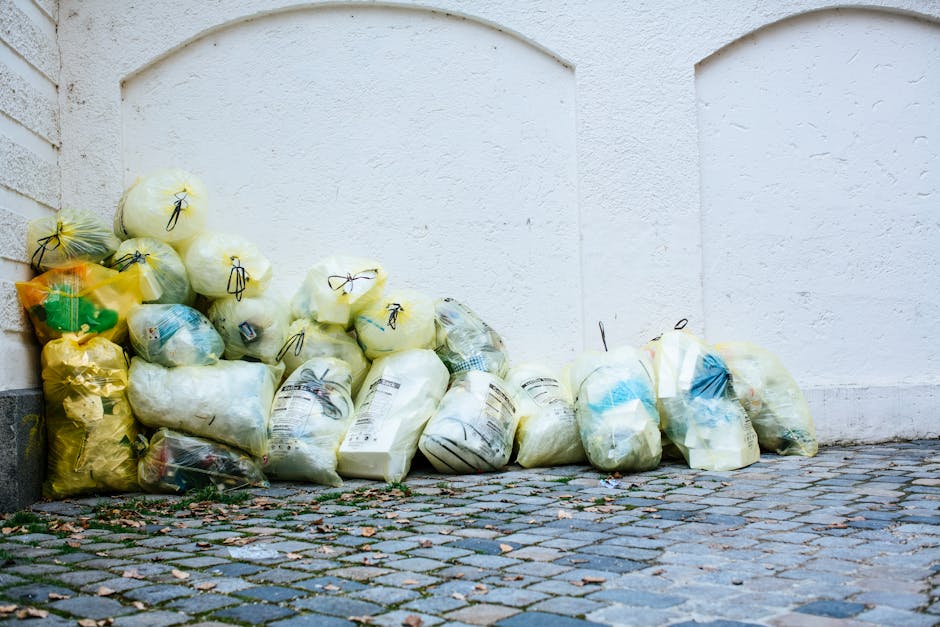
Redbridge Council rules for waste after carpet cleaning
Posted on 31/07/2026
Redbridge Council rules for waste after carpet cleaning: what to do with dirty water, residue and leftover materials
If you have just finished cleaning a carpet, the job does not really end when the fibres look fresh. You still have to deal with the wastewater, used cloths, packaging, and any leftover debris in a way that fits Redbridge Council rules for waste after carpet cleaning. That sounds simple enough, but in real life it can get messy quickly. Dirty water in the wrong drain, a sodden towel shoved into the wrong bin, or a carpet pile left out too long can cause avoidable problems.
This guide breaks the process down in plain English. We will look at what matters, how disposal usually works in Redbridge, what you should avoid, and how to stay on the right side of local expectations without making a fuss about it. If you are a homeowner, tenant, landlord, or managing a busy property, this will help you handle the aftermath properly and keep the place tidy too.
Why Redbridge Council rules for waste after carpet cleaning Matters
Waste after carpet cleaning is not just a housekeeping issue. It can affect drains, communal areas, recycling rules, odours, pest control, and even tenancy inspections. In a borough like Redbridge, where a lot of people live in flats, maisonettes, terraced homes, and shared buildings, the way you dispose of cleaning waste matters more than most people think.
To be fair, most of the risk comes from the small things. A bucket of grey water tipped carelessly can leave a stain on a path or enter the wrong drain. Damp textiles can start smelling if they sit in a sealed bag for days. Packaging from cleaning products may need to go in household waste rather than recycling, depending on what it is and whether it is contaminated. None of this is dramatic, but it can become annoying very fast.
There is also the local living reality. If you are cleaning a carpet in a top-floor flat, a family home on a narrow street, or a shared building with limited bin space, you need a simple process that fits the space you have. That is where a clear understanding of Redbridge Council waste expectations saves time and stress. No one wants to discover, at 8.15 on a Monday morning, that the hallway smells a bit off because the used pads were left by the front door. That sort of thing lingers.
For people booking a professional clean, waste handling also affects the overall quality of the service. A proper carpet clean should leave the room looking better, feeling fresher, and easier to manage afterwards. If you are planning a wider refresh, services like deep cleaning in Ilford or even a broader one-off clean can help you deal with the cleaning itself before you focus on disposal and tidying up.
How Redbridge Council rules for waste after carpet cleaning Works
Let's keep this practical. After carpet cleaning, there are usually four waste streams to think about: wastewater, solid debris, used materials, and packaging. The correct handling depends on what each item is, whether it is contaminated, and whether it can go into a normal household bin or needs special care.
Wastewater is the first issue people ask about. In many homes, small amounts of dirty water from cleaning or extraction are managed carefully and disposed of in a suitable foul water drain or sink where appropriate, but you should avoid tipping anything questionable into surface water drains or outdoor gullies. Why? Because surface drains typically lead away from foul water systems and can carry pollutants elsewhere. If you are unsure, it is safer to keep it simple and cautious rather than assume.
Used cloths, paper towels, and absorbent pads are usually household waste if they are not heavily contaminated by chemicals. Once they are wet, they should be sealed in a bag, allowed to drain safely if needed, and then placed in the bin that matches your local collection setup. If the material is soaked with strong cleaning solution or solvent, treat it more carefully. That is one of those areas where common sense matters just as much as the label on the bottle.
Leftover cleaning product is another point. Small residues on bottles or spray nozzles are one thing; unused liquid is another. Do not pour excess cleaner down the sink just because the bottle is open and you want it gone. That can be poor practice, and it is a bad habit to build. Keep leftover product in the original container if possible and follow the product guidance. A little patience here saves hassle later. Honestly, it often saves money too.
Packaging depends on what it is made of and whether it is clean. Cardboard boxes may be recyclable if uncontaminated. Plastic bottles may be recyclable if emptied and cleaned enough for your local recycling rules. But if the packaging is coated in chemical residue, greasy dirt, or damp fibres, it may need to go with general waste instead. That is normal enough.
If you are working in a shared property, the building rules may be stricter than the general household bin rules. In some blocks, there may be limits on using communal bins for bulky items or excess waste. If access is tight, the page on flat-cleaning access in high-rise buildings is a useful companion read because the disposal challenge often starts with getting the waste safely out of the flat in the first place.
Key Benefits and Practical Advantages
Following the right approach is not just about ticking a compliance box. It makes the whole clean feel more professional and less chaotic.
- Cleaner shared spaces: no drips in the hallway, no lingering odour, and less risk of complaints from neighbours.
- Lower risk of blocked drains: especially important if you are tempted to empty buckets too quickly.
- Better hygiene: damp waste is handled promptly, so it does not sit around attracting smells or insects.
- Smoother tenancy outcomes: landlords and agents tend to notice the finishing touches, weirdly enough, often more than the cleaning itself.
- Less stress: when you have a simple disposal routine, the job ends properly.
There is a quieter benefit too: confidence. When you know what to do after the carpet is cleaned, you stop second-guessing every bucket, pad, and bag. That matters, especially if you are juggling a family home, office space, or a last-minute end-of-tenancy tidy. If the property needs more than a quick refresh, you might also find it useful to look at end-of-tenancy cleaning in Ilford, where waste handling and final presentation go hand in hand.
Who This Is For and When It Makes Sense
This is not just for professional cleaners. In fact, a lot of the people who need clear guidance are ordinary residents doing a weekend clean or dealing with a spill after a party.
Homeowners need this when they have cleaned a carpet themselves and are left with wastewater, used cloths, and packaging. You may think, "It's just a bit of water," but if your drains, driveway, or communal area are involved, that little bit becomes more important.
Tenants need the rules because they are often trying to avoid charges or disputes. A damp pile left in the hallway of a rental flat is the sort of thing that can annoy a landlord, even if the carpet itself now looks lovely.
Landlords and letting agents need a consistent process because they may arrange repeat cleans between tenancies. In that setting, a simple disposal routine protects the property and reduces complaints from neighbours or cleaners coming back later to deal with a smell. Not glamorous. Still important.
Busy households often need this most. If there are kids, pets, muddy shoes, or a weekend birthday party in the mix, carpet waste builds up fast. If you are dealing with the aftermath of a bigger cleaning day, the advice in spring cleaning in Ilford and domestic cleaning support can help you think beyond the carpet and plan the rest of the job calmly.
Commercial premises, including small offices, should be especially careful. Shared entrances, bins, and wash areas mean one sloppy waste step can affect everyone. If that sounds familiar, office cleaning in Ilford is worth considering alongside your own disposal routine.
Step-by-Step Guidance
Here is the cleanest way to handle waste after carpet cleaning without overcomplicating it.
- Let the carpet drain and dry properly. Before you start bagging things up, give the area time to settle. Wet fibres shed water for longer than people expect.
- Separate liquid waste from solid waste. Do not mix dirty water with cloths, plastic packaging, and random bits of debris. Keep each type of waste in its own container or bag.
- Check what the wastewater contains. If it is simply dirty water from extraction, handle it carefully and avoid surface drains. If it contains strong chemicals, treat it with extra caution and follow the product guidance.
- Bag used cloths and pads securely. A tied bag stops drips and smells. Double-bagging can be sensible if the material is heavily damp.
- Rinse and empty containers properly. If bottles or tools can be cleaned for recycling, do that. If not, dispose of them as general waste.
- Keep communal areas clean. Wipe up any splashes on stairs, landings, or paving. A quick pass with a dry cloth now is easier than apologising later.
- Put waste out in line with collection day and local instructions. That usually means not leaving mixed waste in shared spaces for longer than necessary.
If you are doing the work in stages, keep a small bag or tub nearby so waste does not pile up in the room. It sounds basic, but in practice it stops the whole job feeling like a scramble. A tiny habit, a big difference.
Expert Tips for Better Results
Here's where the little details help. Most waste problems after carpet cleaning happen because someone is trying to be efficient and ends up rushing the final stage. Truth be told, the clean-up after the clean is where the professionalism shows.
Use a lined container near the work area. That keeps cloths, disposable wipes, and small packaging together. It also makes your final waste sort easier.
Keep a dry towel close by. If a bucket drips on the way to the sink, you can deal with it in seconds rather than spreading it across a floor. A boring tip, yes. A useful one.
Label chemical containers before you store them. If you have leftover products, you do not want to guess later which bottle is which. Especially not six weeks from now when it has mysteriously migrated to the back of a cupboard.
Plan disposal before you start cleaning. This is the real trick. If you know where the wastewater will go and which bin the packaging belongs in, the whole job feels smoother.
In shared buildings, talk to the concierge or managing agent if needed. Not every block has the same bin layout or disposal rules. A five-minute check can prevent a tedious back-and-forth later.
For larger cleans, choose services that think beyond the carpet. A proper clean often works best when it sits within a wider property routine. If that is your situation, house cleaning in Ilford or carpet cleaning in Ilford may fit better than a one-off rescue job.
Common Mistakes to Avoid
These are the mistakes that keep showing up, especially when people are trying to finish fast.
- Tipping dirty water into the wrong drain. Outdoor surface drains are not the same as a foul-water outlet. If in doubt, stop and check.
- Leaving wet cloths in a closed bag for too long. That is how odours start. And once they start, they are stubborn.
- Mixing chemicals with general waste without checking the product guidance. A little leftover cleaner can be fine; a careless disposal habit is not.
- Forgetting communal areas. A spotless carpet means little if the stairwell now has streaks or damp marks.
- Assuming all packaging is recyclable. If it is contaminated, it may not be accepted in recycling.
- Ignoring building-specific rules. Flats and managed blocks often have their own waste setup, and those rules matter.
One small but common slip is treating the final rubbish bag like any other household bag, even if it contains damp pads and chemical residue. That is the sort of thing that seems harmless until it sits warm in a kitchen corner for a day. Then you notice it. Everyone notices it.
Tools, Resources and Recommendations
You do not need a mountain of equipment to manage waste properly after carpet cleaning. A few sensible tools make the process much cleaner and easier.
- Bucket with a secure handle for moving wastewater safely.
- Heavy-duty bin bags for wet cloths and non-recyclable waste.
- Microfibre cloths for wiping spills and keeping disposal areas dry.
- Rubber gloves to keep hands out of dirty water and residue.
- Small sealable tub for holding used applicators or contaminated accessories.
- Access to a suitable sink or drain point for controlled disposal where appropriate.
From a service point of view, it is often useful to book cleaning in a way that matches the scale of the job. A small stain might fit a focused response such as emergency stain removal service guidance, while a whole-home refresh may sit better under services overview planning.
If you want to compare timings and expectations before you book, pricing and quotes is a sensible place to understand how different types of work are usually approached. And if you are dealing with a rug rather than fitted carpet, the article on same-day rug cleaning for commuters gives a useful sense of how speed and waste handling often connect.
Law, Compliance, Standards, or Best Practice
We should be careful here. Local waste handling can involve council expectations, building rules, product instructions, and general environmental common sense. The exact method may vary depending on the waste type and the property. So the safest approach is to follow the instructions for the product you used, avoid careless disposal into drains, and comply with any local or building-specific waste arrangements.
In UK practice, a few broad principles usually apply:
- Do not pollute surface water systems. Outdoor drains and gullies are not a default place for cleaning waste.
- Separate waste sensibly. Wet textiles, chemical residues, and clean packaging should not all be treated the same way.
- Follow label instructions. If a product says it needs special handling, that guidance matters.
- Respect shared-property rules. Communal bins, corridors, and service areas often have tighter expectations than a single house.
- Use best practice when unsure. When a disposal choice feels borderline, the cautious choice is usually the better one.
A lot of people expect a single hard-and-fast rule for every carpet-cleaning leftover. In reality, the answer depends on the exact waste item. That is slightly annoying, yes, but it is also normal. The practical move is to keep things separate, dry where possible, and avoid putting mystery liquids anywhere convenient just because they are in your hand already.
If your work is connected to a move-out, property sale, or rental turnover, the pressure can be higher. In that case, the broader property pages like about us and end-of-tenancy cleaning can help frame the job in a more organised way. That sort of planning usually keeps waste handling calmer too.
Options, Methods, or Comparison Table
Not every cleanup needs the same disposal method. The right choice depends on the waste type, the amount involved, and whether you are cleaning in a house, flat, or managed building.
| Waste type | Typical approach | What to watch for |
|---|---|---|
| Dirty extraction water | Dispose carefully at an appropriate foul-water point where suitable | Avoid surface drains and splashing |
| Damp cloths and wipes | Bag securely and place in household waste if appropriate | Do not leave open or exposed indoors |
| Empty packaging | Recycle if clean and accepted locally; otherwise general waste | Contamination can make it unsuitable for recycling |
| Leftover cleaning product | Store safely or dispose according to label guidance | Never assume all liquids are safe to pour away |
| Heavily contaminated material | Handle cautiously and follow product or building guidance | Odour and leakage are the main problems |
If you are deciding between doing it yourself and calling in help, the real question is not only how clean the carpet will be. It is also how confident you feel about the waste afterwards. Some people are fine with a bucket and a couple of towels. Others would rather avoid the whole thing and hand it over. Both approaches are fair.
Case Study or Real-World Example
Picture a standard two-bedroom flat in Ilford on a wet afternoon in January. A tenant has had the living room carpet cleaned after a spill from a knocked-over mug and a patch of foot traffic by the sofa. The carpet looks much better, but there is a bucket of grey water, three damp cloths, a half-empty spray bottle, and a cardboard box from the cleaning kit.
What usually works best is simple. The wastewater is handled carefully at a proper drain point, the cloths go into a sealed bag, the cardboard is checked for contamination, and the bottle is stored for later use rather than emptied just to clear space. The hallway is wiped down before the bag is moved outside, because nobody wants drips on the communal floor.
Now, imagine the same job handled badly. The bucket gets tipped too quickly, a small puddle forms near the front door, the cloths are left in a warm bag, and the empty bottle is thrown into recycling with product still inside. None of that is catastrophic. But it creates smells, waste confusion, and maybe a complaint from a neighbour who has to step around the mess. Small things, big irritation. You will notice that very quickly in a flat.
In many real homes, the difference between a smooth finish and a slightly awkward one is only ten minutes of organisation. That is it. Ten minutes.
Practical Checklist
Use this before you call the job done.
- Have you separated wastewater from solid waste?
- Have you avoided tipping anything into a surface drain?
- Are used cloths and pads bagged securely?
- Have you checked whether any leftover product needs special handling?
- Is packaging clean enough to recycle, or should it go in general waste?
- Have you wiped any spills from floors, stairs, or communal paths?
- Do building rules affect where the waste should go?
- Is the waste stored safely until collection time?
- Have you kept pets and children away from damp materials?
- Does the room smell clean rather than "cleaner but damp"? That smell matters.
If you can tick all of those off, you are in a good place. Not perfect maybe, but properly handled.
Conclusion
Redbridge Council rules for waste after carpet cleaning are best understood as a practical framework: keep waste separate, avoid careless drain disposal, respect building rules, and handle wet materials before they become a nuisance. Once you strip away the jargon, that is really what it comes down to.
The key is not to overthink every single item, but also not to treat it casually. A tidy finish protects your home, your neighbours, and your peace of mind. And if you are cleaning as part of a bigger property reset, the right service and the right disposal habits make the whole thing feel much more manageable.
Get a free quote today and see how much you can save.
And if the job feels like one of those jobs that has grown legs, that is fine too. A calm plan beats a rushed one, every time.