Valentines Park upholstery cleaning experts Ilford
Posted on 10/10/2026
Valentines Park upholstery cleaning experts Ilford: a practical guide to cleaner, longer-lasting furniture
If your sofa is looking a little tired, your dining chairs have picked up everyday grime, or a favourite armchair near the window has started to hold onto smells, you are not alone. Homes around Valentines Park and the wider Ilford area see plenty of real-life wear: muddy shoes from a wet walk, kids bouncing on the sofa, pets shedding, takeaway spills, and that slow build-up of dust that seems to appear out of nowhere. This guide to Valentines Park upholstery cleaning experts Ilford explains what professional upholstery cleaning actually involves, why it matters, and how to choose the right service without wasting money or damaging fabric.
Truth be told, upholstery is one of those things people notice only when it starts to look bad. But by then, dirt has often settled deep into the fibres. The good news? With the right method and a careful local approach, most soft furnishings can be refreshed properly and made to feel much more comfortable again.
Whether you are trying to revive a family sofa, prepare a rental property, or simply keep your home feeling clean and welcoming, this article will help you make a sensible decision. It also connects you with useful local resources like upholstery cleaning in Ilford, carpet cleaning services, and the broader services overview so you can see how upholstery care fits into a full home-cleaning plan.
Why Valentines Park upholstery cleaning experts Ilford Matters
Upholstery does more than "look nice". Sofas, chairs, headboards, footstools, and office seating collect dust, body oils, crumbs, pet hair, pollen, and everyday dirt. Near Valentines Park, where people often walk, entertain, and move between outdoor and indoor life, fabrics can pick up extra debris quite quickly. A light mark on a cushion might not seem like much, but over time that sort of thing builds up and the fabric can look flat, dull, or uneven.
Professional upholstery cleaning matters because it addresses what domestic vacuuming usually cannot. Most people can remove loose dirt from the surface. But deep-down contamination is different. It sits in the nap of the fabric, in seams, under seat cushions, and around the areas that get the most contact. That is where trained specialists make a difference, especially if they know how to identify the fabric type and choose an appropriate cleaning process.
There is also a practical comfort angle. Clean upholstery generally feels fresher, smells better, and makes the whole room seem cared for. If you have visitors coming over, are preparing a property for sale, or just want your living room to stop feeling slightly "off", upholstery cleaning can have a bigger visual effect than many people expect. A sofa can change the mood of a room. Simple as that.
For many households, this becomes part of a wider cleaning rhythm alongside deep cleaning in Ilford, spring cleaning, or even a one-off reset through one-off cleaning in Ilford. That wider picture matters because upholstery rarely gets dirty on its own. It is usually part of the whole room story.
Expert summary: The best upholstery cleaning is not just about making fabric look brighter. It is about matching the right method to the right material, removing embedded dirt safely, and leaving the furniture usable, dry, and fresh without unnecessary risk.
How Valentines Park upholstery cleaning experts Ilford Works
Professional upholstery cleaning usually starts with inspection. That sounds obvious, but it is the part that stops most mistakes. A trained cleaner will look at the fabric type, the construction of the furniture, the level of staining, and whether there are any problem areas such as dye transfer, water marks, or delicate trims. Microfibre, cotton blends, velvet, wool, synthetic fabrics, and leather all need different handling. Not every sofa enjoys the same treatment, and pretending otherwise is how things go wrong.
Next comes dry soil removal. This typically involves vacuuming with suitable attachments to lift dust, grit, pet hair, and surface debris from seams and folds. It is a small step, but an important one. If you skip it, the cleaning solution can turn dry soil into a muddy slurry. Nobody wants that. Then the technician may pre-treat visible stains or traffic areas with fabric-safe products chosen for the material.
After that, the main cleaning stage begins. Depending on the fabric and condition, this might be hot water extraction, low-moisture cleaning, foam cleaning, or a careful hand-cleaned approach. The goal is not simply to "wet the sofa". It is to lift contamination, control moisture, and avoid over-saturation. Too much water can extend drying times and may cause shrinkage, tide marks, or colour bleeding on sensitive fabrics.
Finally, the furniture is groomed and left to dry under sensible conditions. Good airflow helps. So does not sitting on it straight away, tempting though that may be. In some homes, windows are opened a little and the room is left quiet for a few hours. If you have ever walked back into a room later in the day and noticed that clean, fabric-fresh smell, you will know the difference.
For a broader sense of what a reputable cleaner should cover beyond upholstery, the page on house cleaning in Ilford and the local domestic cleaning service can help you understand how one-off and ongoing cleaning jobs fit together.
Key Benefits and Practical Advantages
There are several reasons people in and around Valentines Park book upholstery cleaning, and they are not all cosmetic. In our experience, the strongest benefits tend to be the ones people feel immediately after the job, even if they were expecting only a visual improvement.
- Improved appearance: Colour looks more even, marks are reduced, and fabrics often recover some of their original texture.
- Better hygiene: Embedded dust, allergens, crumbs, and general build-up are reduced, which is useful in busy households.
- Odour removal: Sofas and chairs can trap cooking smells, pet odours, and stale everyday scents.
- Longer furniture life: Regular care can reduce abrasive dirt damage and help preserve fabric condition.
- Better presentation: Especially useful for landlords, sellers, and anyone preparing a home for guests or viewings.
- Safer treatment of delicate materials: Experts can identify when a gentle method is needed, which protects the furniture.
A small but important advantage is confidence. When upholstery is cleaned correctly, you do not have to keep worrying about whether a stain is getting worse or whether that faint smell will come back. It is done, properly, and you can get on with life.
If you are comparing different home care priorities, upholstery cleaning often pairs well with carpet cleaning in Ilford because both areas tend to collect the same household dirt. It is a sensible combination, not a luxury add-on.
Who This Is For and When It Makes Sense
This service is useful for a lot more people than you might think. It is not only for "badly stained sofas" or obvious accidents. Often, it is for the household that has simply reached the point where the furniture no longer feels fresh.
You may want upholstery cleaning if you:
- have children and daily wear is showing on fabric seating;
- share your home with pets and hair or odours are building up;
- have a rental property and need to improve presentation before new tenants move in;
- are selling a home and want the living room to feel cared for;
- work from home and use office seating heavily;
- have allergies and want to reduce trapped dust where possible;
- own older furniture you want to keep rather than replace.
There is also a timing question. When does it make sense to clean upholstery? Usually, when the furniture is visibly dull, after a spill, before a special event, or as part of a seasonal clean. If you are planning a bigger home refresh, you might also look at spring cleaning services or a focused end of tenancy cleaning package for rented homes. That is especially practical if you are trying to tick off several jobs in one go. Less stress that way.
And if you are not sure whether your item is suitable for cleaning, that is normal. Many people are unsure about fabric codes, fading, or water sensitivity. A good technician will be honest about what can and cannot be done safely. That honesty matters a lot more than a hard sell.
Step-by-Step Guidance
If you want to understand how a good upholstery clean should unfold, here is the process in plain English. Not fancy. Just the useful bits.
- Identify the furniture type. Sofas, armchairs, dining chairs, footstools, mattresses, and headboards can all need slightly different handling.
- Check the fabric. A professional will assess the material, colourfastness, and any care labels or manufacturer guidance.
- Assess stains and wear. Old stains, pet accidents, grease spots, and drink spills need different pre-treatment approaches.
- Vacuum thoroughly. Loose soil should be removed first so the cleaning stage works properly.
- Pre-treat where needed. A safe solution is applied to problem areas before the main cleaning begins.
- Clean with the right method. Low-moisture or hot water extraction may be used depending on the material.
- Manage moisture carefully. The item should not be soaked. Controlled cleaning is the key.
- Inspect the result. A final check helps catch remaining marks or uneven areas while the cleaner is still on site.
- Allow proper drying time. Air circulation helps, and furniture should be used again only when suitably dry.
If this sounds straightforward, that is because it should be. But the skill is in the judgement calls. Which stain gets treated first? How much product is enough? Is the fabric safe for wet cleaning or not? Those little decisions can make the difference between a great result and a frustrating one.
For people who like to understand the broader cleaning process, deep cleaning in Ilford offers a helpful companion service when the whole property needs attention, not just the seating.
Expert Tips for Better Results
Here are the practical tips that really help, especially if you want the best outcome without risking the fabric.
- Act quickly on spills. Blot, do not rub. Rubbing pushes the stain deeper and can roughen the fibres.
- Vacuum regularly between professional cleans. This removes dry dust before it settles into the weave.
- Test hidden areas if doing any spot treatment yourself. A back panel or underside is safer than the visible seat.
- Avoid over-wetting. More water is not better. It just creates more drying risk.
- Tell the cleaner about anything unusual. Previous stain removers, pet accidents, or DIY attempts can affect the result.
- Use good ventilation afterwards. A little airflow makes a surprisingly big difference.
- Consider the whole room. Clean upholstery alongside carpets and nearby fabrics for a more even finish.
A small but overlooked tip: take a photo before the clean. It helps you judge the improvement afterwards, and it can be useful if you are comparing different services or repeat visits. Also, if there is a fabric you adore but are nervous about, ask more questions. A decent cleaner should welcome that.
One more thing. If a quote seems suspiciously cheap, pause for a second. Professional upholstery cleaning is a skill-based service, not a race to the bottom. The cheapest option is not always the smartest one. Sometimes it is, of course. But often it is not.
Common Mistakes to Avoid
Upholstery cleaning goes wrong for predictable reasons. Most of them are avoidable.
- Using the wrong cleaner on the fabric. A product safe for synthetic fabric may not be suitable for wool or delicate blends.
- Scrubbing stains aggressively. This can spread the stain and damage the pile.
- Skipping a fabric check. Cleaning without identifying the material is risky.
- Ignoring drying time. Sitting on a damp sofa too soon can flatten fibres and cause marks.
- Expecting every stain to vanish completely. Some stains are permanent or partially set, especially if treated badly in the past.
- Hiring without asking about experience or insurance. A professional should be transparent about how they work.
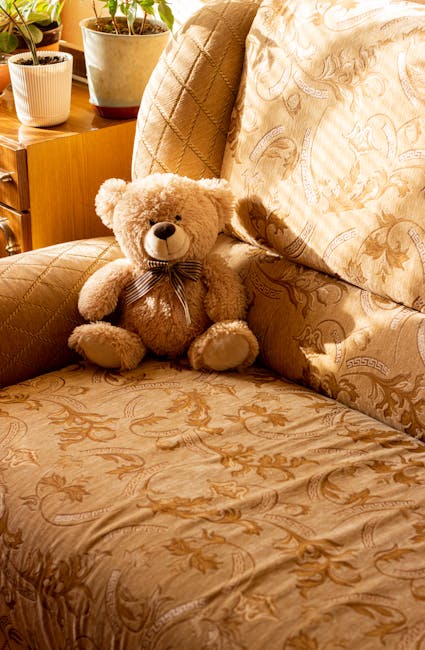
Another common mistake is treating upholstery as if all furniture were alike. A velvet chair in a bright room is not the same as a hard-wearing family sofa. Nor is a leather armchair treated the same way as fabric seating. That sounds obvious, but people do make this mistake, more often than you'd think.
If you want reassurance around who is handling your home, pages like about us, insurance and safety, and the health and safety policy are worth reviewing before you book any service.
Tools, Resources and Recommendations
A proper upholstery clean normally uses more than a bottle and a cloth. The tools matter because they affect both the finish and the safety of the fabric.
| Tool or resource | What it does | Why it matters |
|---|---|---|
| Upholstery vacuum attachment | Lifts dry dust and pet hair from seams and cushions | Prevents dirt from being pushed deeper during cleaning |
| Fabric-safe pre-spray | Helps break down soils before the main clean | Improves stain removal without harsh scrubbing |
| Extraction or low-moisture equipment | Removes contamination while controlling moisture | Reduces drying time and fabric risk |
| Microfibre cloths | Useful for controlled blotting and detail work | Good for delicate spots and edges |
| Drying airflow | Speeds up evaporation after cleaning | Helps prevent damp smells and lingering moisture |
For homeowners who want a simpler next step, the most useful resource is often just a clear quote and a straightforward discussion about the furniture type. You do not need to know every technical term. You do need to know what you are dealing with. If you want to compare pricing and service expectations, the page on pricing and quotes is a sensible place to start.
And if your concern is broader than upholstery alone, the page for one-off cleaning in Ilford can be useful when you want a single visit to cover several jobs. Handy, really.
Law, Compliance, Standards, or Best Practice
For upholstery cleaning, the most important compliance points are not complicated, but they do matter. In the UK, any professional cleaning provider should work in a way that respects general health and safety duties, uses products responsibly, and handles customer property with care. That means clear communication, sensible risk management, and careful attention to access, ventilation, drying, and product use.
On a practical level, best practice usually includes:
- checking fabric type before cleaning;
- using products suitable for the material and the task;
- avoiding unsafe over-wetting;
- being transparent about likely results and limitations;
- working with reasonable care around children, pets, and household items;
- following proper customer service procedures if something goes wrong.
If you are inviting a cleaner into your home, trust and transparency matter too. It is reasonable to look for clear terms, privacy information, and a fair complaints route. Those pages are there for a reason: terms and conditions, privacy policy, and complaints procedure. A professional business should make those easy to find.
It is also sensible to check payment security and booking details before you proceed. The payment and security page gives a useful extra layer of reassurance.
Options, Methods, or Comparison Table
Not all upholstery cleaning methods are the same. The right choice depends on the fabric, the level of soil, and how quickly you need the furniture back in use. Here is a simple comparison.
| Method | Best for | Strengths | Watch-outs |
|---|---|---|---|
| Hot water extraction | Many durable fabric sofas and chairs | Deep cleaning, good soil removal, strong refresh | Needs careful moisture control and drying time |
| Low-moisture cleaning | Sensitive fabrics or faster turnaround needs | Quicker drying, less saturation | May be less aggressive on heavy build-up |
| Foam or specialist fabric treatment | Delicate upholstery or targeted spot work | Gentler on some textiles | Not ideal for every stain type |
| Spot treatment only | Small, fresh marks | Useful for isolated issues | Won't refresh the full item |
There is no single "best" method for every job. That is the whole point. A good cleaner chooses based on the furniture in front of them, not a one-size-fits-all routine. If you are comparing local options, it can help to browse the main blog for practical area advice and related cleaning topics, including local guidance such as best carpet cleaning near Ilford High Road IG1.
Case Study or Real-World Example
Picture a typical family living room near Valentines Park on a damp afternoon. The sofa has seen school bags dumped on it, a couple of tea spills, pet fur along the front edge, and the faint smell of everyday life that builds up so gradually you hardly notice it. Nothing dramatic. Just ordinary wear.
At first glance, the sofa does not look ruined. It just looks a bit flat. The cushions no longer have that crisp, even colour. The arms are darker where people rest their hands. The fabric smells slightly stale when the room has been shut up overnight. A lot of people would think replacement. But often, it is not replacement they need. It is proper cleaning.
In a situation like that, the cleaner would inspect the fabric, remove dry debris, pre-treat the darker traffic areas, and use a controlled cleaning method suited to the material. A family might also ask for the nearby armchair and footstool to be cleaned so the room looks consistent. The result is not just "whiter". It feels calmer. Lighter. Less heavy.
That is the part people notice after the job. The room feels easier to live in. You sit down and think, yes, that is better. Not fancy, not dramatic. Just genuinely nicer.
And if you are getting a home ready for a wider change, such as moving, letting, or hosting, upholstery cleaning can be one of the quickest visual upgrades you can make alongside selling houses in Ilford preparation or even exploring local lifestyle information like why Ilford might be a good place to live. Local context matters more than people think.
Practical Checklist
Use this quick checklist before you book upholstery cleaning. It keeps things simple.
- Identify the items you want cleaned.
- Check whether the fabric has care labels or known sensitivities.
- Note any stains, odours, or problem spots.
- Decide whether you want just upholstery cleaned or the whole room refreshed.
- Ask about cleaning methods and drying times.
- Confirm whether the cleaner has experience with your fabric type.
- Ask what happens if a stain does not fully lift.
- Check availability if you need the job done before guests, moving day, or a viewing.
- Review pricing, booking terms, and payment details.
- Make sure the room can be accessed easily on the day.
One line of advice here: the better prepared the room is, the smoother the visit tends to be. Move small items, clear cushions that are not being cleaned, and give the cleaner enough space to work. It sounds basic because it is basic. Still worth saying.
Conclusion
Choosing Valentines Park upholstery cleaning experts Ilford is really about making a smart, local decision for the furniture you already own. A good service can restore comfort, improve presentation, reduce built-up dirt, and help your sofas and chairs last longer. More importantly, it should do so carefully, with the right method for the fabric and the right expectations from the start.
If your upholstery has started to look tired, smell a bit stale, or simply does not suit the room anymore, a professional clean is often the most practical next step. Not every stain will disappear completely, and that is fair enough, but the improvement can still be striking when the work is done properly.
If you would like to take the next step, explore the local upholstery cleaning service in Ilford, review the company's about us information, or send a quick enquiry through the contact page. If you already know what you need, you can also go straight to the request a quote form and get things moving.
Get a free quote today and see how much you can save.
Clean furniture has a way of making a home feel looked after. And sometimes, that small difference is exactly the one you needed.